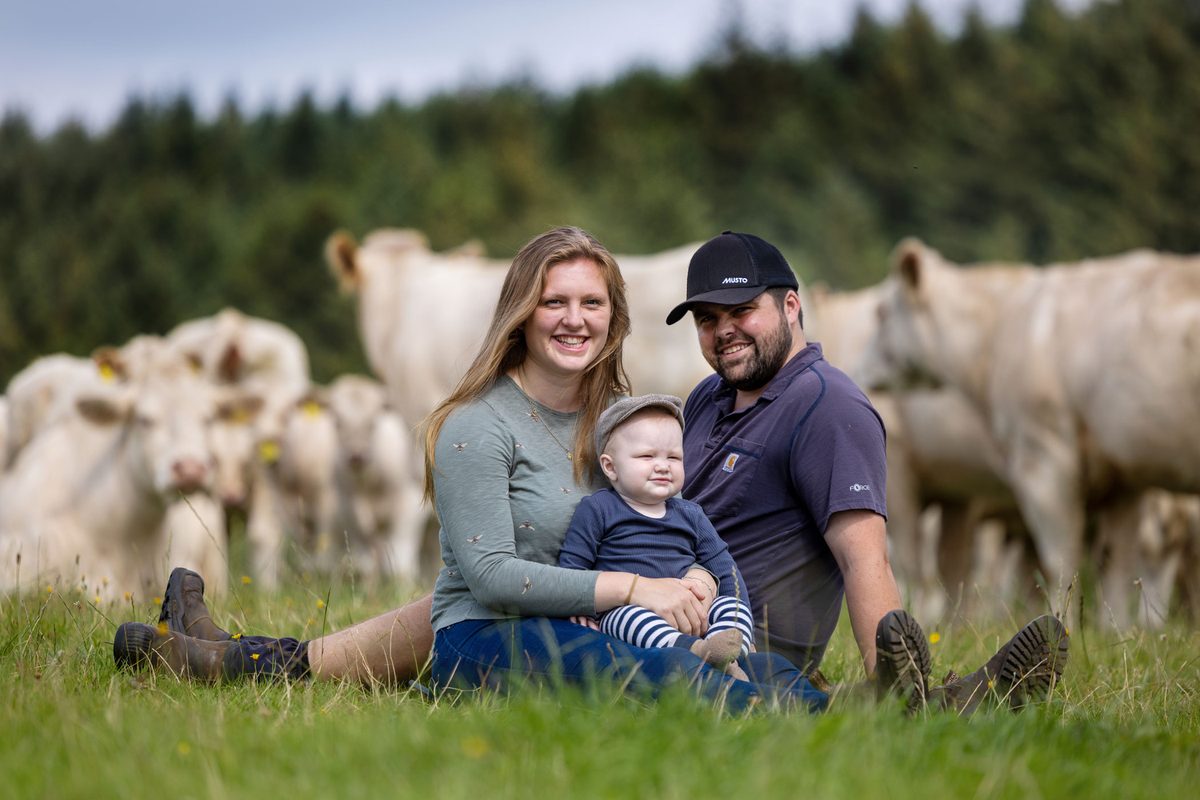
Set in the heart of Dartmoor National Park, Runnage Farm is a long-established family enterprise where generations of experience meet a clear, forward-thinking breeding strategy. Richard and Becky Coaker farm in partnership with Richard’s father, Phil, continuing a lineage that has worked the Duchy-owned Runnage Farm since 1846. Today, Phil and Richard represent the fifth and sixth generations of Coakers to farm this demanding upland ground, combining tradition with a sharp commercial focus.
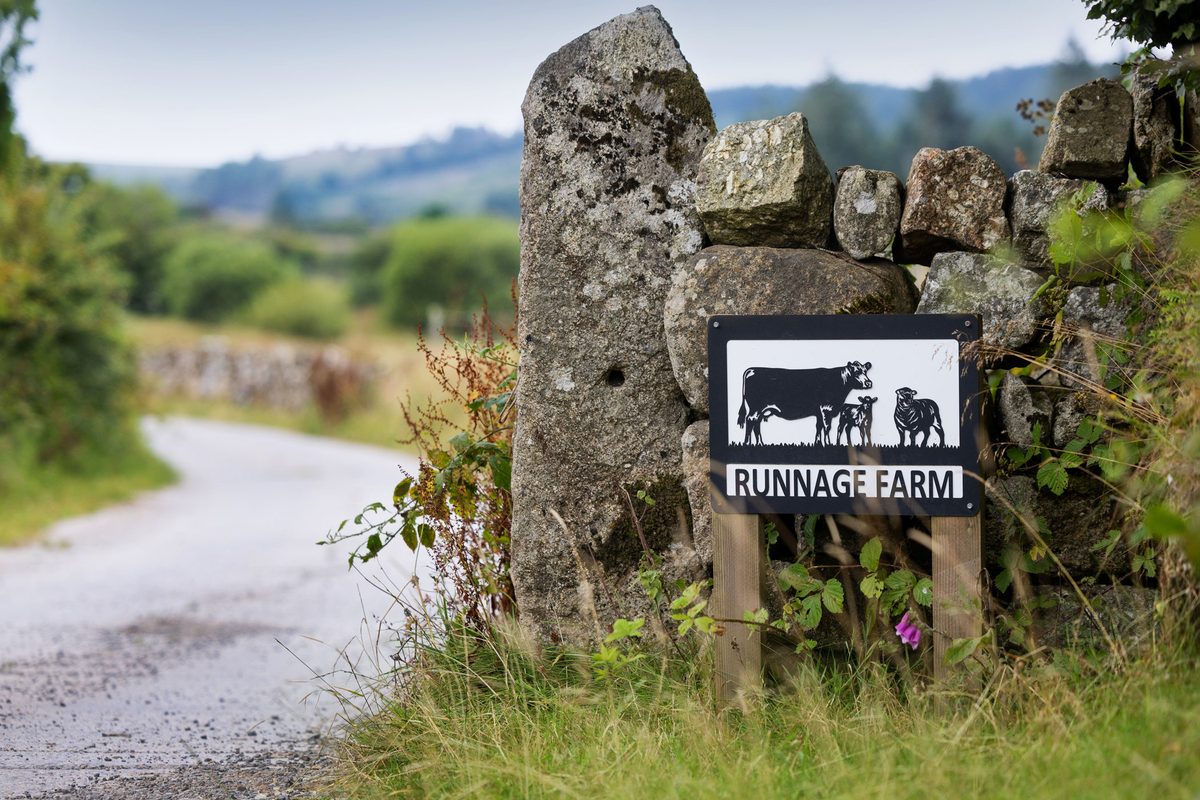
The farm extends to 220 acres, with a further 180 acres rented within a 10-mile radius. Sitting at over 1,145 feet above sea level, with grazing rising beyond 1,300 feet, Runnage presents a challenging environment—one that rewards hardy, efficient livestock and a system built around resilience.
A Maternal Foundation Built on South Devons
South Devon cattle have always been central to the Runnage system. The family milked South Devons in the shippon until 1980, and their influence remains strong today. The breed provides the foundation cow for the suckler herd, valued for her docility, milkiness, and strong maternal traits—qualities that are essential in an upland system.
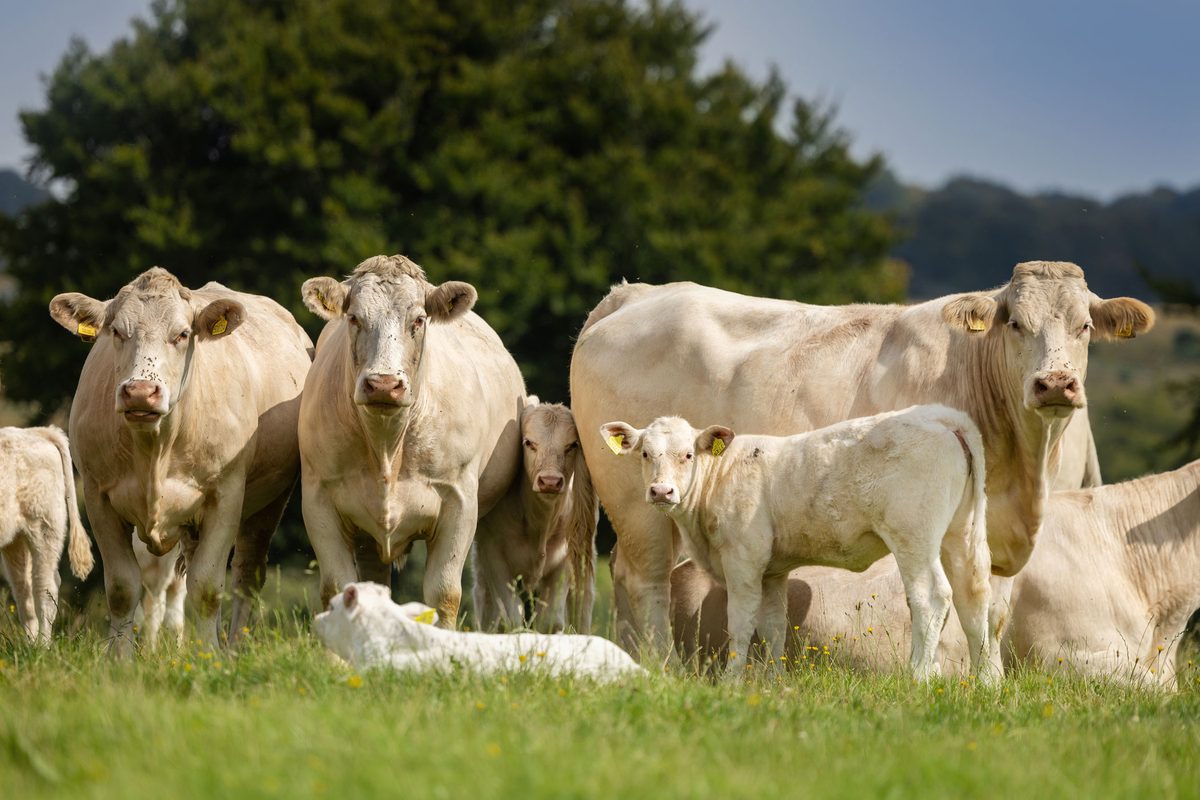
The herd currently numbers 75 South Devon cows, split evenly between spring and late autumn calving. Most of the spring calvers are bred pure, while all autumn-calving cows are put to the Charolais bull. Looking ahead, the plan is to use a limited amount of female-sexed South Devon semen to produce replacements, allowing a greater proportion of the herd to benefit from Charolais terminal sires and the improved returns they consistently deliver.
Introducing Charolais – Growth, Shape, and Market Demand
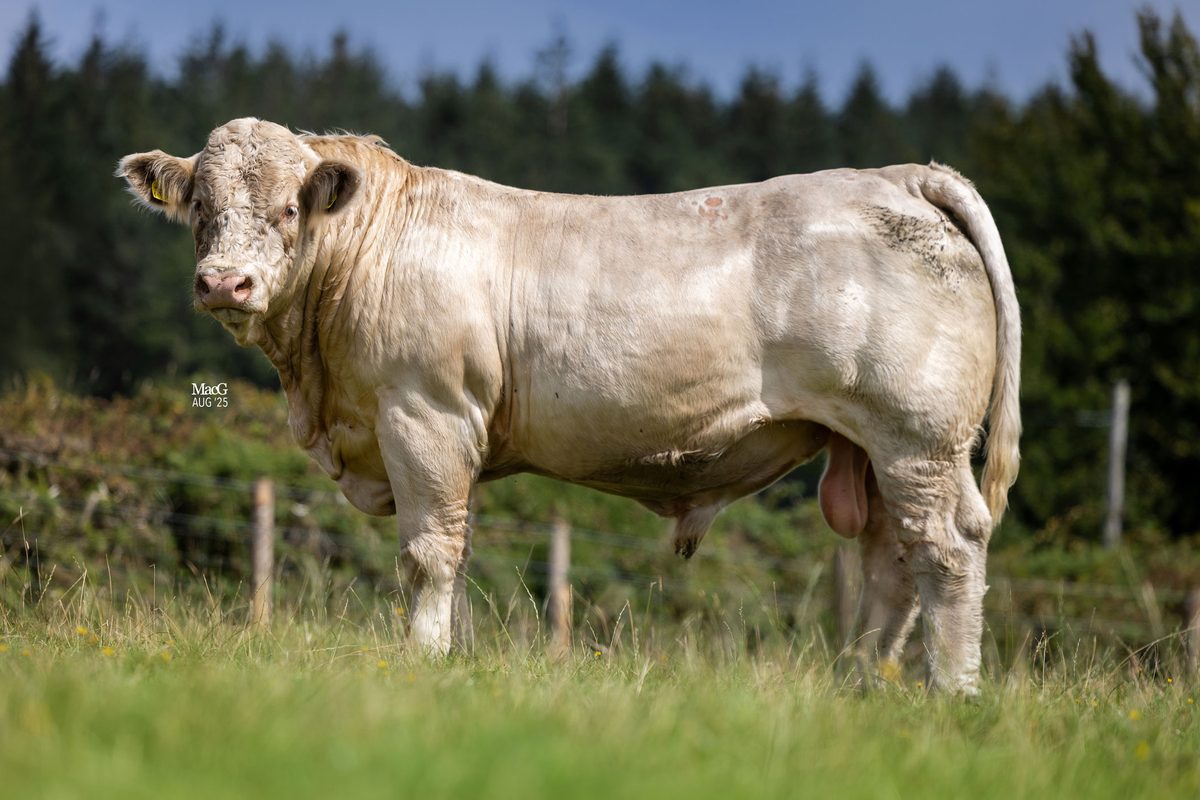
Richard has long admired the Charolais breed, drawn to their growth rates, feed efficiency, and ability to add scale and value to calves. That interest became action in April 2023 with the purchase of the farm’s first Charolais bull, alongside two pedigree heifers.
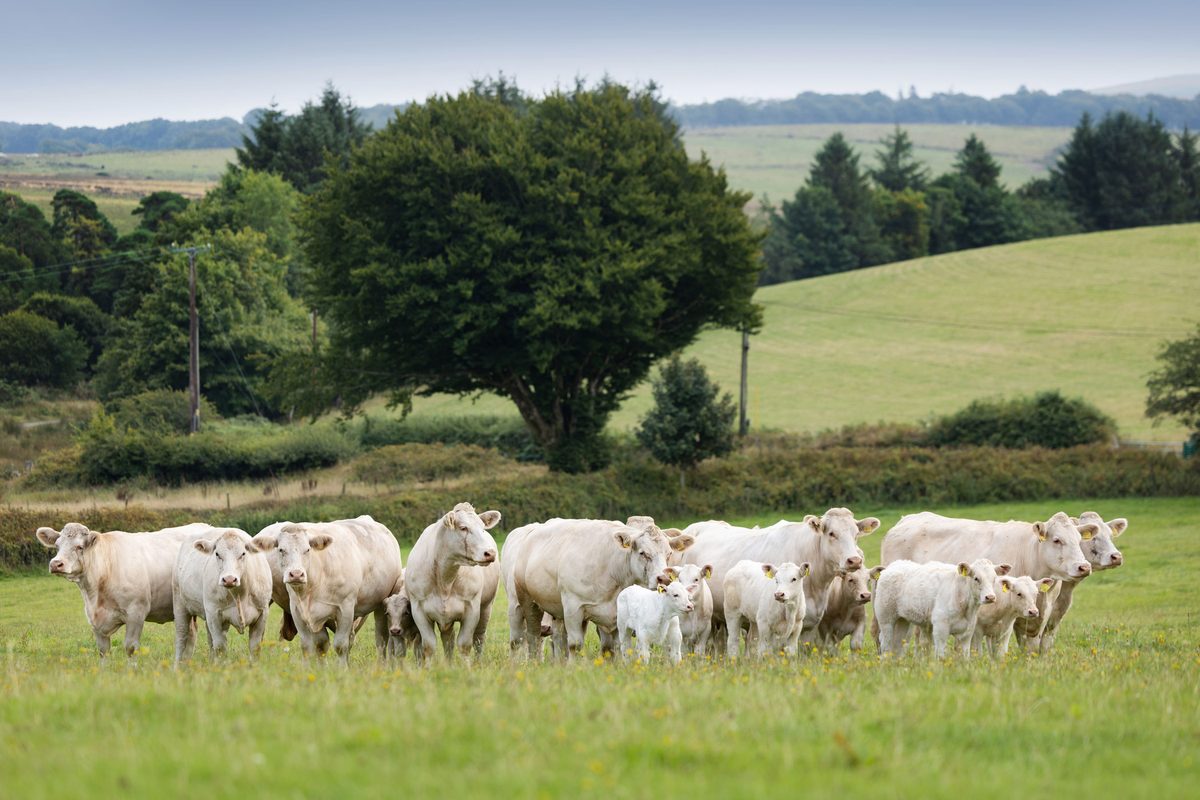
These initial investments were followed by the purchase of a group of in-calf pedigree cows, originating from respected herds including Burradon, Harestone, Normans, Polgoda, and Sackville. The goal is clear: to breed hardy, commercially focused Charolais bulls capable of thriving in exposed, upland conditions while delivering the performance the market demands.
Running youngstock at altitude plays a crucial role in achieving this. Exposure to ticks at an early age allows cattle to develop natural immunity to redwater, an essential trait for stock destined for the upland areas of the South West, where the disease is most prevalent.
Moorland Grazing – Low Input, High Output
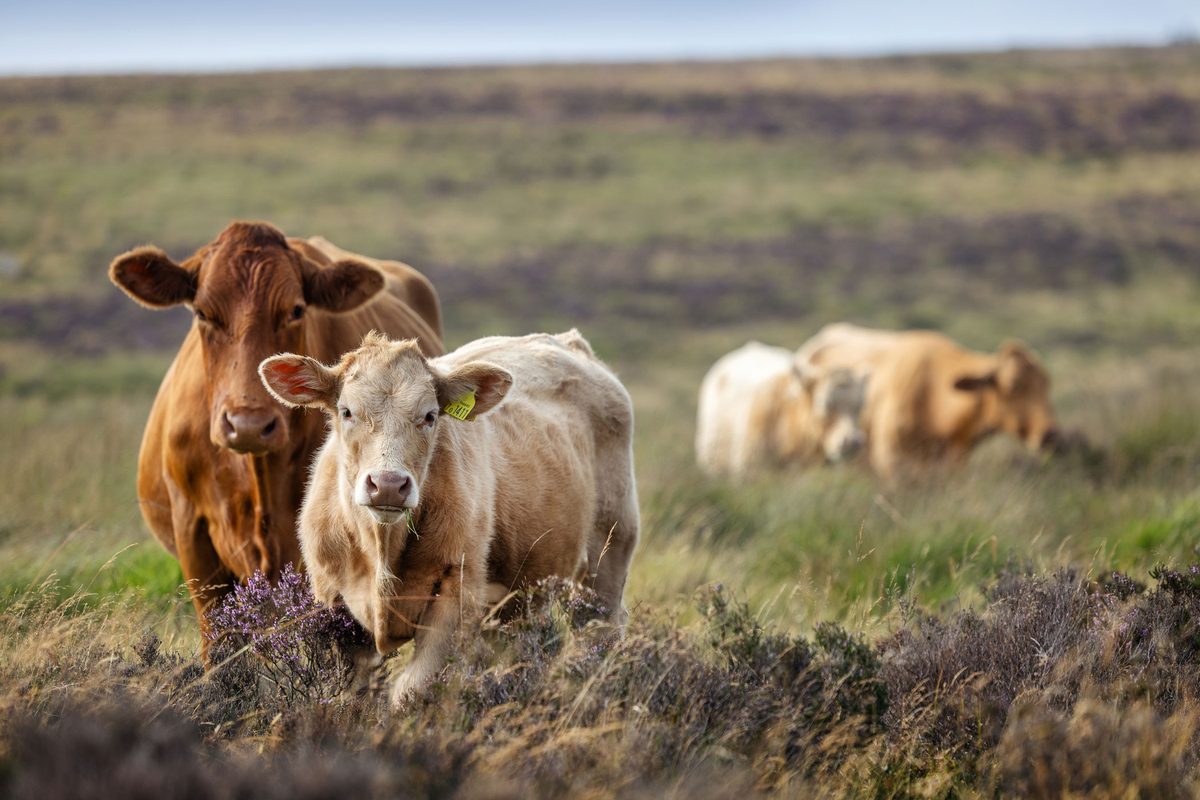
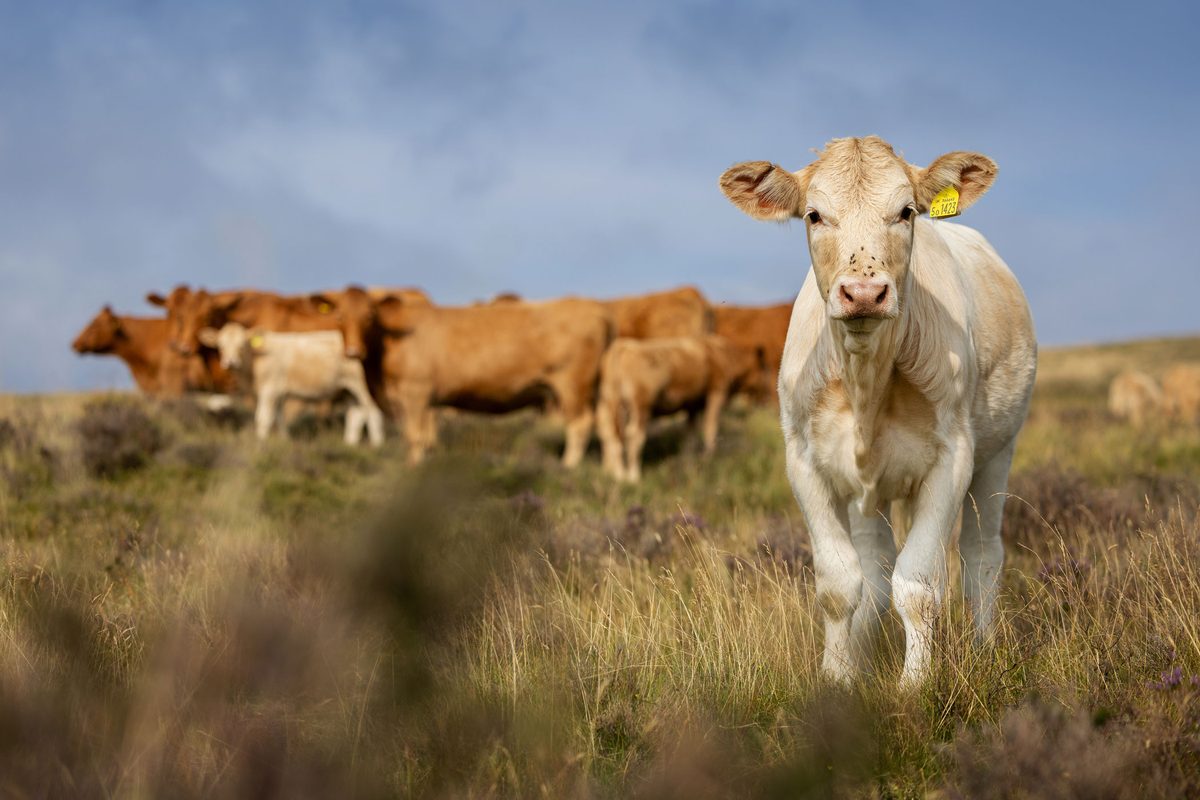
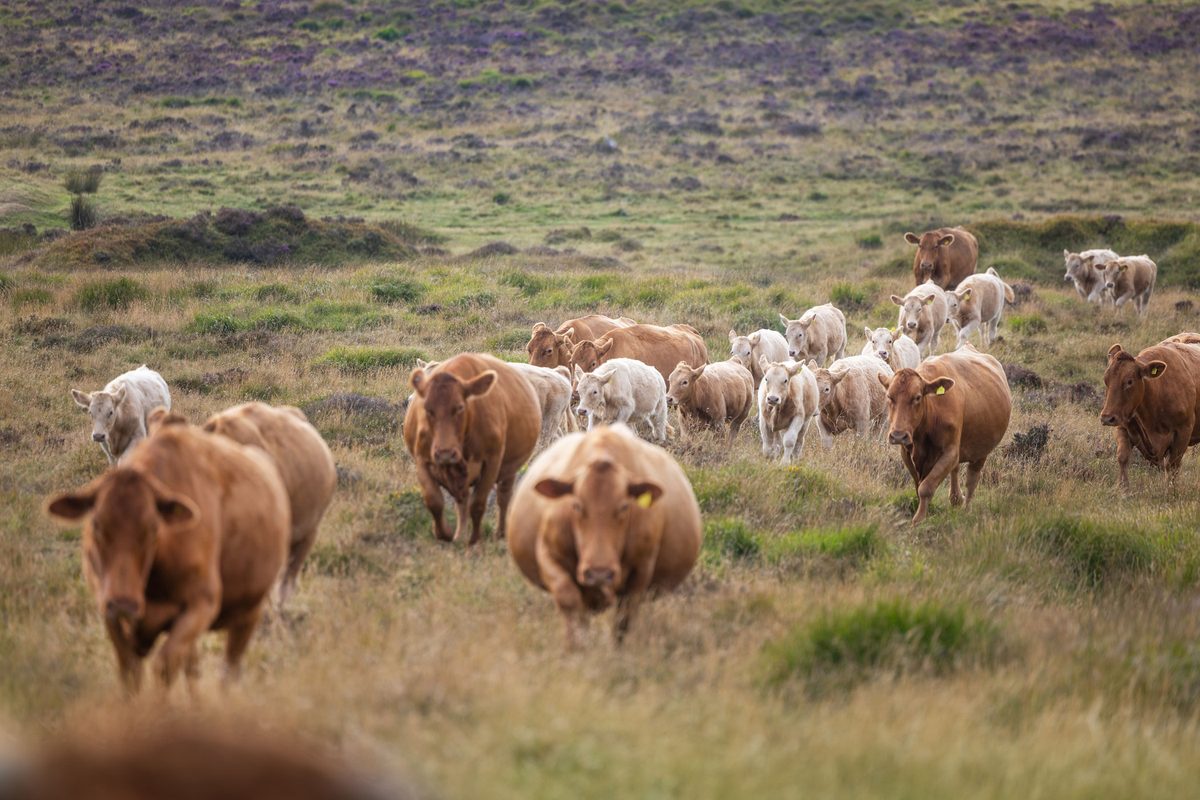
Moorland grazing is integral to the Runnage system. South Devon cows graze the uplands throughout the summer months, reaching heights of up to 1,600 feet. Autumn-born Charolais-cross calves accompany their dams onto the moor in late spring and receive no supplementary feed during this period.
Despite the low-input nature of this system, Charolais-cross calves have proven to thrive. Their ability to convert grass into liveweight has delivered standout results, reinforcing the value of the Charolais as a terminal sire in challenging environments.
Store cattle are sold through Exeter Livestock Market at around 15 months of age. Charolais-cross stores have reached £2,290, weighing on average 50 kg heavier and returning £577 more per head than other breeds sold at the same age—clear evidence of the premium buyers place on Charolais influence.
Sheep, Diversification, and a Balanced Enterprise
Alongside the cattle, Becky takes the lead on the sheep enterprise while also caring for the couple’s young son, Oliver. The flock comprises 300 commercial ewes, mainly Texel and Cheviot crosses, alongside 100 pedigree Whitefaced Dartmoor sheep, all bred pure.
To maximise the return on machinery investment, the farm also undertakes contract work locally, including mowing, wrapping, drilling, and dung spreading. In addition, Runnage’s location within Dartmoor National Park has enabled the family to run a successful rustic campsite and camping barns for over 30 years, adding a valuable diversification stream to the business.
Data-Driven Decisions and Future Direction
Keen to harness technology, all calves at Runnage are weighed at birth, at weaning, and regularly thereafter. Recent investment in handling facilities and weighing equipment has improved safety, reduced labour, and allowed more informed management decisions.
The first pedigree registered Runnage Charolais bulls have now been sold, finding demand as crossing sires for both dairy and suckler herds. Their early success reflects the careful breeding strategy and the suitability of the Charolais breed to the farm’s upland system.
A Confident Outlook
Runnage Farm demonstrates how a strong maternal base, when paired with the growth and performance of Charolais sires, can deliver exceptional commercial results—even in some of the most challenging environments in the South West. With a clear breeding vision, a focus on data, and a willingness to adapt, the future of Charolais at Runnage looks firmly secured through the drive and enthusiasm of this progressive farming family.
Categories: Commercial, Commercial
Charolais at Rannagulzion – Proven Performance, Market-Beating Returns » « Charolais at the Heart of the Havard Brothers Enterprise