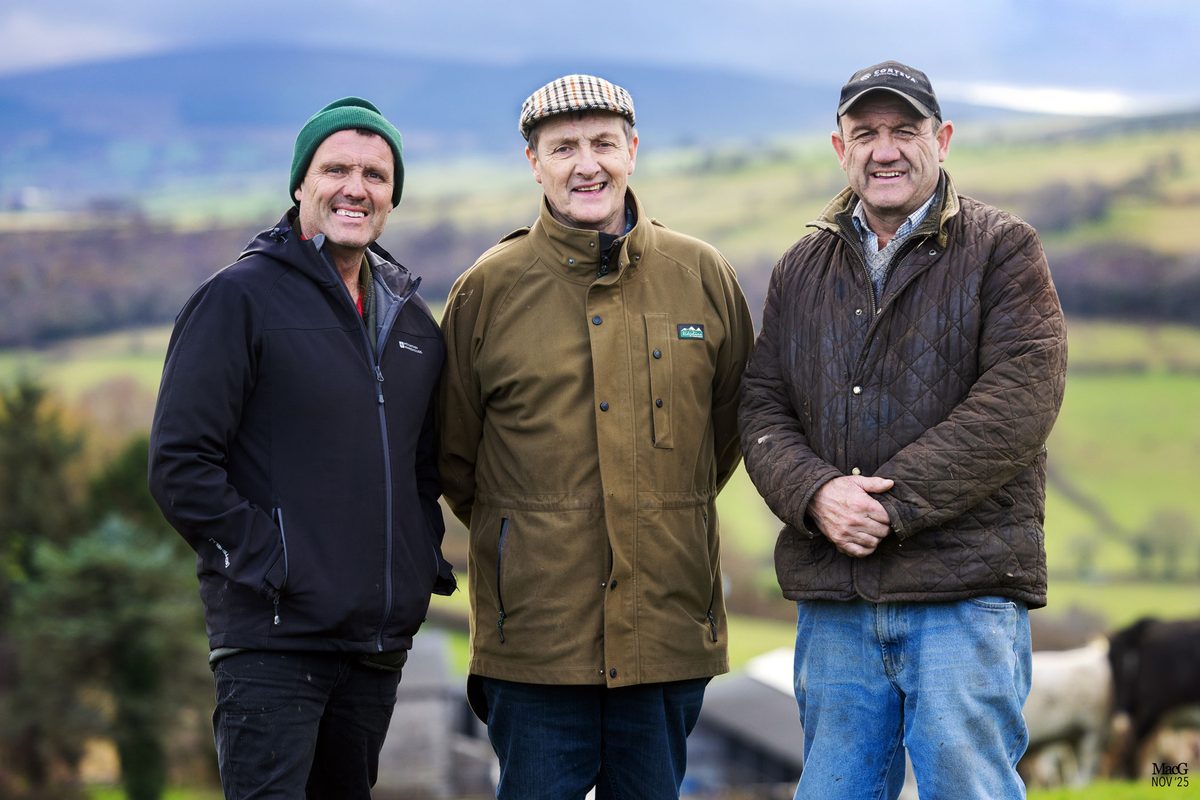
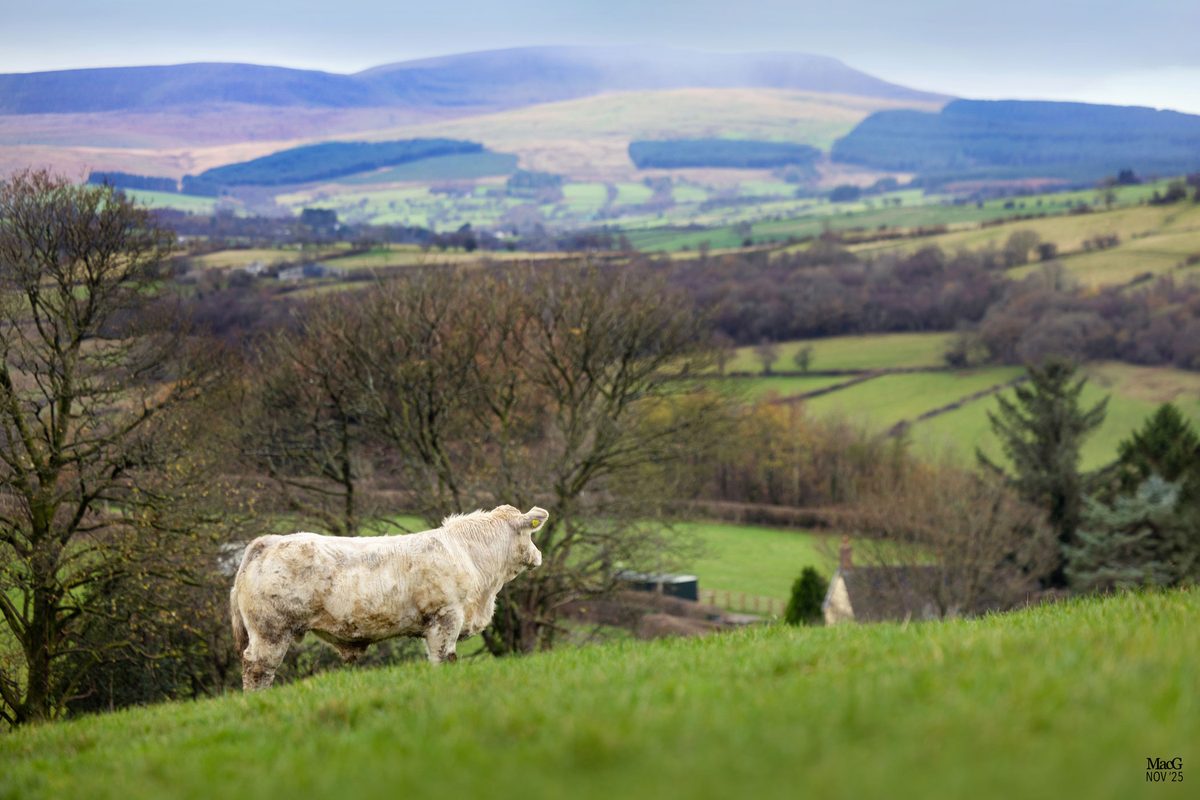
For generations, the Havard family have farmed the uplands around Sennybridge, Brecon, shaping a livestock enterprise that has evolved with changing markets, policies and environmental pressures, yet has always remained focused on producing cattle that perform. Today, Havard Brothers – Gethin, Huw and Howell, together with the next generation Dafydd – continue to demonstrate how modern Charolais genetics add tangible value within a challenging Welsh upland system.
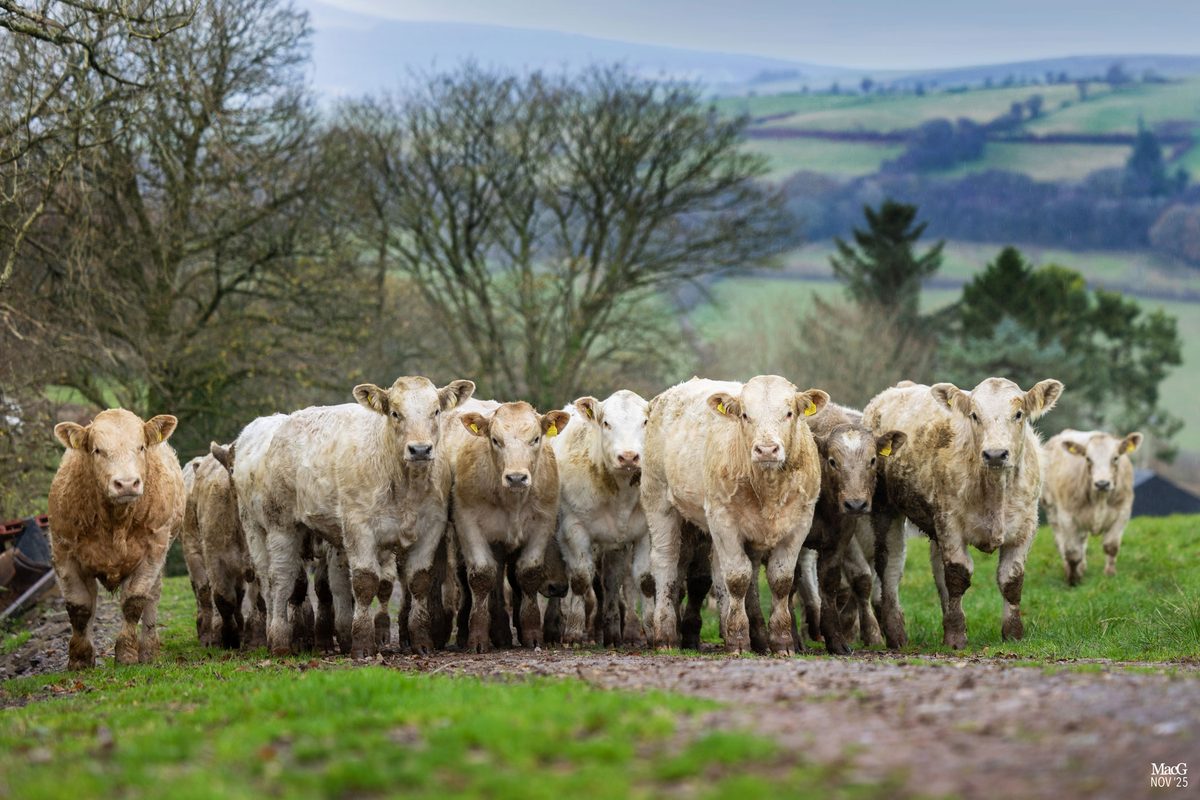
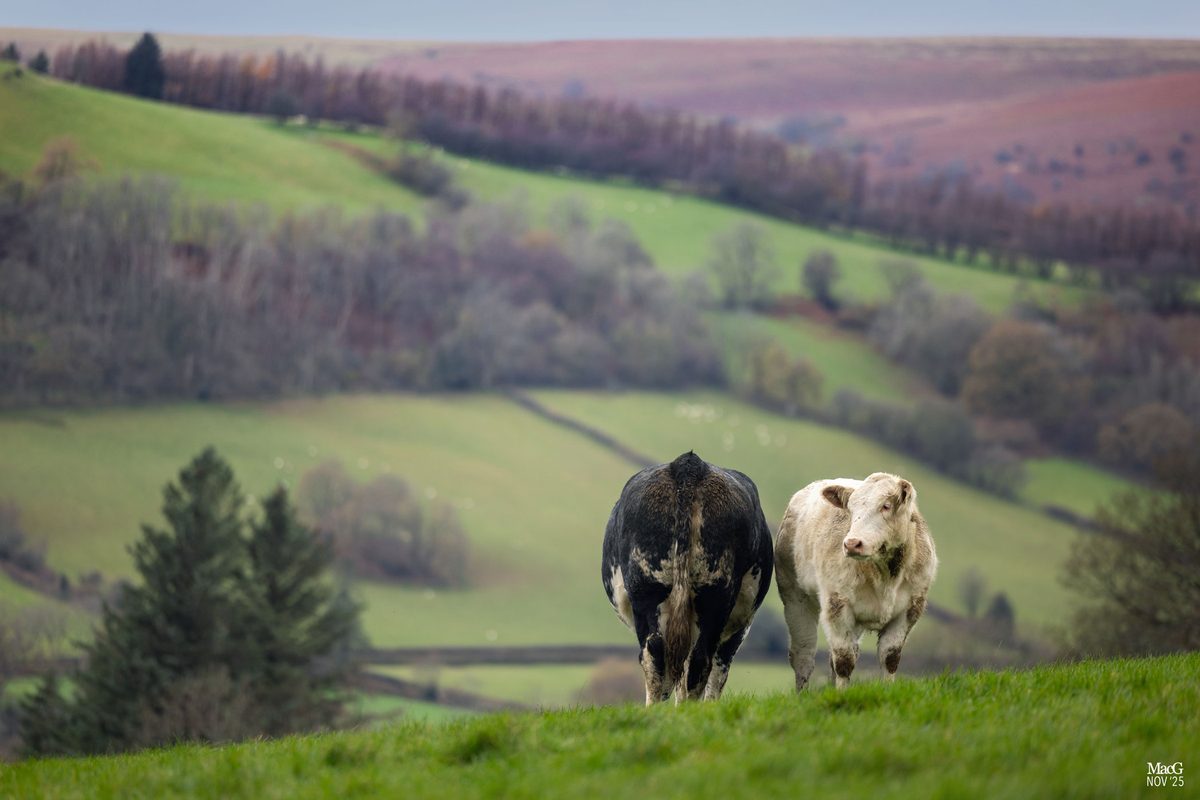
The business farms a total of 1,040 acres, comprising a mix of improved land and significant areas managed as habitat grazing under licence. This landscape presents both opportunities and constraints. While grass growth can be variable and weather conditions unforgiving, the system lends itself to robust, efficient livestock capable of converting forage into high-quality beef. Alongside the suckler herd, the enterprise also runs approximately 2,000 breeding ewes, including a flock of Brecknock Hill Cheviots, meaning labour efficiency and ease of management are crucial across all enterprises.
A long-standing commitment to breeding cattle that work
Cattle breeding has always been central to the Havard family’s farming identity. Over time, Charolais genetics have become firmly embedded within the suckler herd, selected not for fashion, but for proven performance. The focus has consistently been on cows that are fertile, functional and capable of rearing strong calves in an upland environment where inputs must be controlled and every animal must justify its place.
The Havards are clear that their experience with Charolais reflects the significant genetic progress made by the breed over recent decades. They describe modern Charolais as a very different animal to outdated perceptions – cattle that combine growth and carcase quality with improved calving ease, soundness and maternal ability. These traits are particularly important in a system where cows must calve unassisted, travel well over ground, and rear calves largely off grass.
Calving ease and cow efficiency
Within the Havard Brothers enterprise, calving ease is non-negotiable. With multiple enterprises running alongside each other, there is little scope for intensive intervention. The family emphasise that Charolais sires used within the herd are carefully selected to ensure cows calve easily, producing lively calves that get up and suck quickly.
Equally important is cow longevity. Functional Charolais-cross cows that remain productive over multiple lactations help spread replacement costs and improve overall herd efficiency. The Havards place particular value on cows that hold condition, milk well and consistently wean calves with the shape and growth buyers are looking for.
Producing cattle the market demands
Perhaps the most compelling evidence of the value Charolais bring to the Havard Brothers enterprise lies in their market reputation. The family have customers who have been purchasing cattle from them for almost 40 years – a level of loyalty that speaks volumes about consistency, trust and performance.
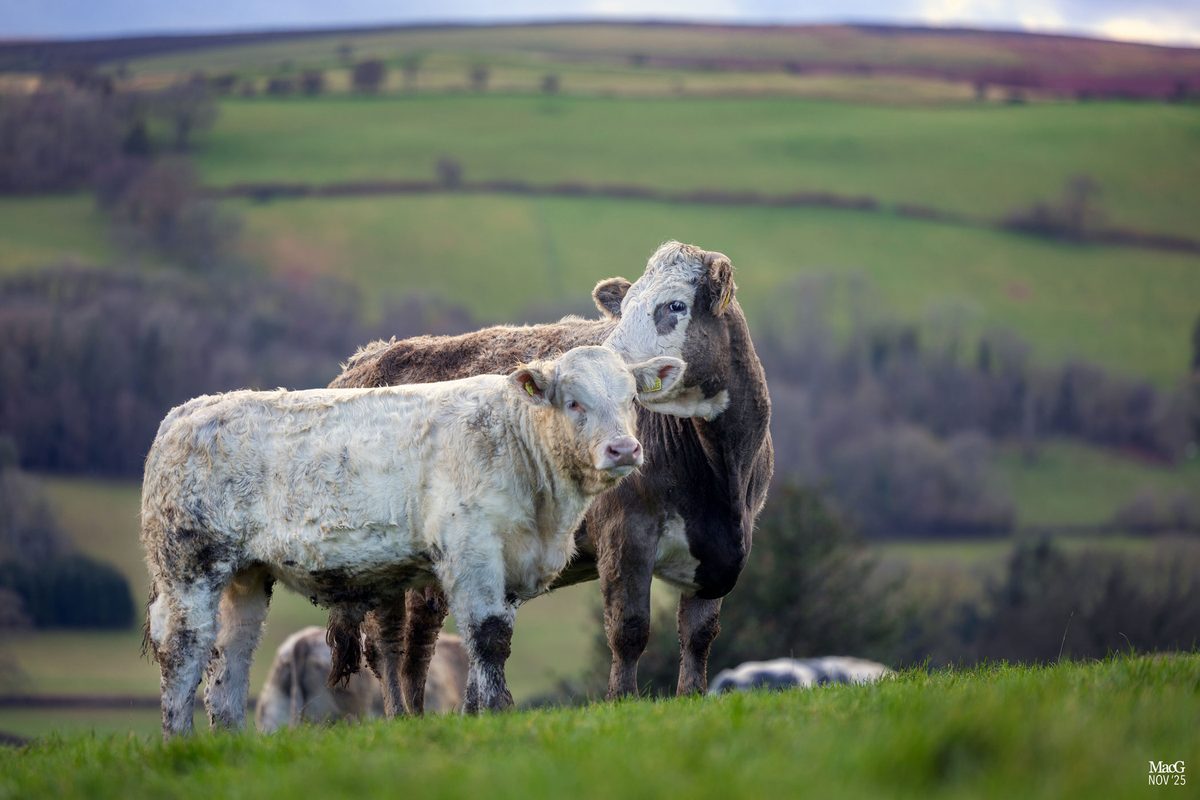
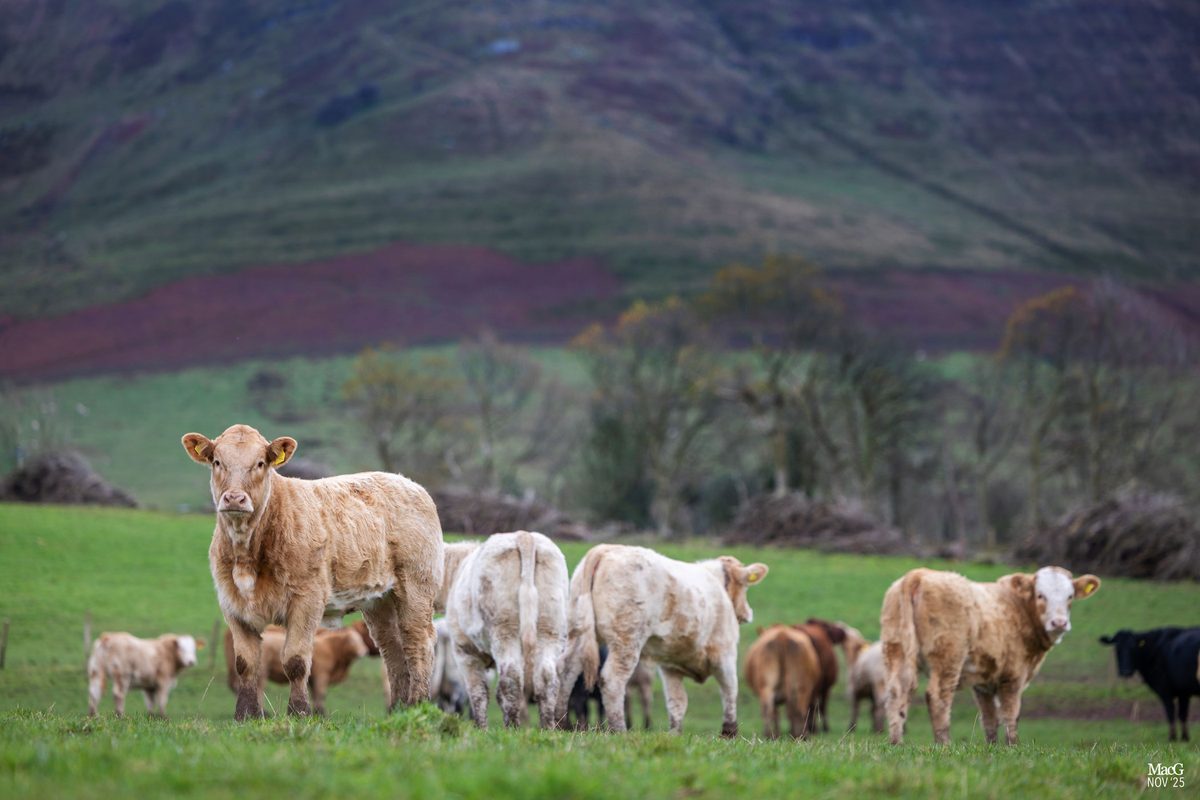
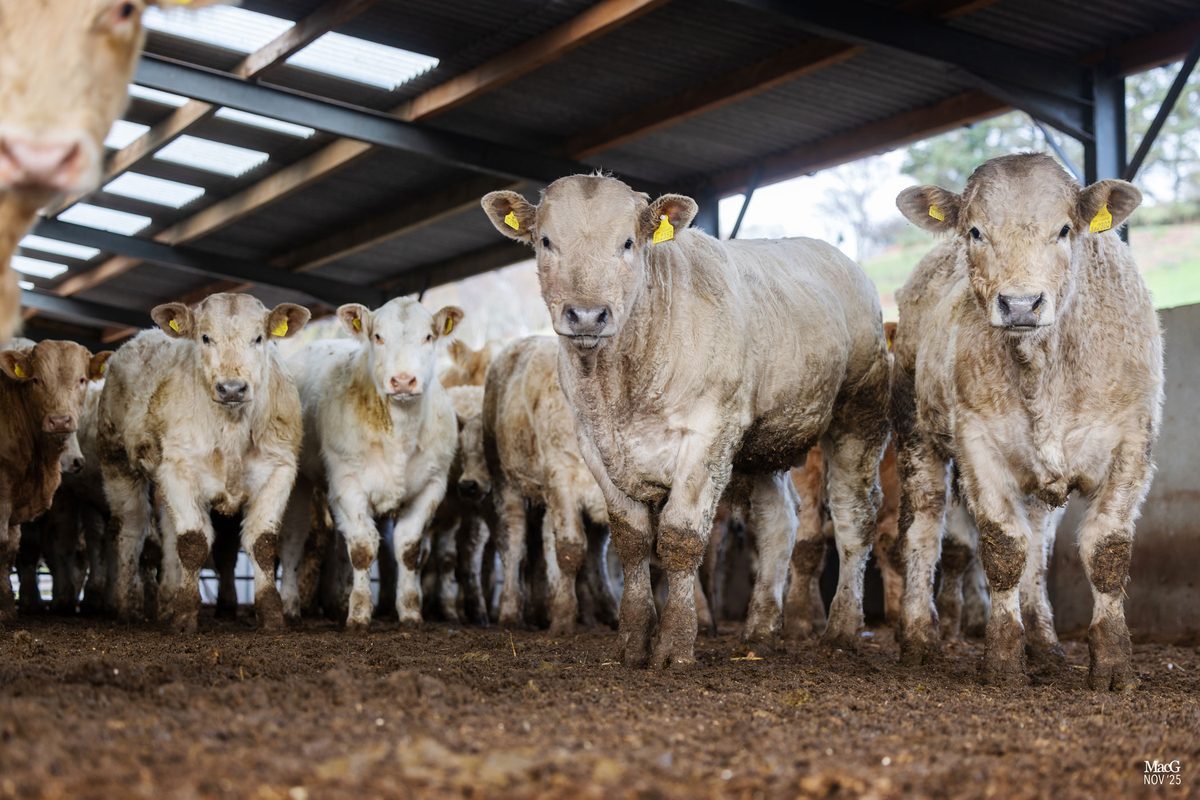
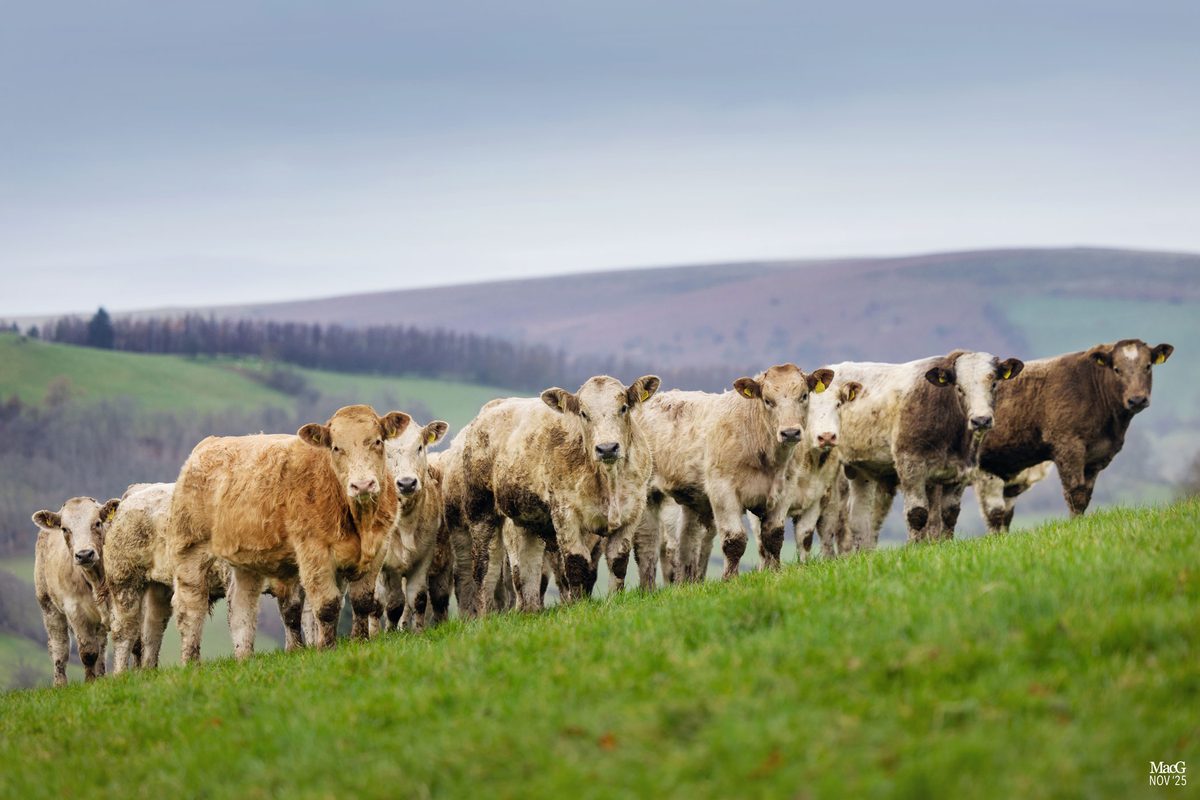
Charolais-cross calves from the herd are recognised for their length, shape and growth potential, attributes that translate directly into strong demand from finishers. These calves are known to grow on efficiently, producing carcases that meet specification and deliver returns further down the supply chain. In an increasingly specification-driven beef industry, this reliability is a major asset.
For the Havards, producing cattle that buyers want is not simply about headline prices on the day, but about repeat business and long-term relationships. Knowing there is confidence in their cattle gives the family reassurance in uncertain market conditions and reinforces the value of sticking with a breed that consistently delivers.
Working within environmental and system constraints
Operating within an upland and habitat-grazing system brings additional considerations. Cattle must be capable of thriving on forage-based diets, grazing varied ground types and coping with exposure. The Havards believe Charolais-cross cattle are well suited to these conditions, offering the balance of hardiness and performance required.
The integration of cattle with sheep is also an important part of the system. Efficient cattle that fit around the demands of a large ewe flock help optimise labour use and grazing management across the holding. Charolais-cross suckler cows, with their calm temperament and functional build, contribute positively to this mixed-enterprise approach.
Facing the challenges head-on
Like many cattle producers in Wales, the single greatest challenge facing the Havard Brothers enterprise is bovine TB. The impact of TB restrictions brings not only financial pressure but also significant emotional strain and disruption to breeding and marketing plans. Despite this, the family remain focused on breeding cattle that perform and maintaining a resilient business structure.
In the face of uncertainty, producing high-quality, in-demand cattle becomes even more important. The Havards see Charolais genetics as part of their strategy for mitigating risk – ensuring that when cattle are sold, they are competitive, sought-after and capable of delivering value regardless of wider pressures.
Continuous improvement and looking forward
The Havard family are not complacent. They continue to assess genetics, performance and market signals, always with the aim of refining their system. Their breeding decisions are driven by real-world outcomes rather than theory, with emphasis placed on traits that make a measurable difference on the farm and in the marketplace.
Looking ahead, their priorities remain clear: to produce cattle that meet market requirements, to maintain cow efficiency, and to ensure the business remains sustainable for the next generation. Charolais genetics, they believe, will continue to play a central role in achieving these aims.
The Charolais advantage in a commercial setting
Summing up their experience, the Havards point to modern Charolais as a breed that has evolved to meet the needs of today’s commercial producer. The combination of calving ease, growth, carcase quality and cow functionality makes Charolais a practical and profitable choice within their upland system.
Their story provides a strong, real-world example for members of the Charolais Cattle Society, illustrating how the breed continues to deliver value from the cow in the field through to the finished animal. In a demanding environment, with mounting challenges and pressures, the Havard Brothers enterprise shows that Charolais cattle remain a cornerstone of efficient, market-focused beef production in Wales.
Royal Welsh Grassland Event 2026
The British Charolais Cattle Society is delighted to be a Gold Sponsor of the upcoming Royal Welsh Grassland Event, hosted by the Havard Brothers on 12 June 2026. The Society looks forward to supporting the event and showcasing the positive impact that the Charolais breed continues to have on grassland-based farming systems.
The event also marks a special year for Gethin, who is proudly serving as President of the Royal Welsh Agricultural Society, and the Society is pleased to support the event during his presidency.
Categories: Commercial
Runnage Charolais – Upland Performance with Proven Commercial Returns » « Clogher Show 2026